

Gastronomy is evolving. It is no longer merely an experience of pleasure and conviviality, but also a tool for prevention, balance, and quality of life. Food is a form of biological information, capable of interacting with the gut microbiota, influencing inflammatory processes, and affecting metabolic balance. “I asked myself why knowledge about prevention and longevity often remained confined to medical practices, conferences, or research laboratories, without truly entering people’s daily lives. Intelligence Gastronomy was born from this reflection,” founder and manager Marianne Giordanengo tells us. “The idea is simple: to use the universal language of gastronomy to make complex topics such as well-being, prevention, personalization, and longevity accessible, without sacrificing the pleasure of dining and the conviviality that characterize our Mediterranean culture”.
Mrs Marianne, functional ingredients, fermentation, plant-based cuisine, sugar reduction: what trends are redefining fine dining?
After years dominated by technique and surprise effects, true luxury today is represented by the ability to generate well-being. Fermentation, ingredients rich in prebiotic fibers, the enhancement of plant-based proteins, and the reduction of added sugars are no longer mere trends but tools for creating more balanced dishes. At the same time, we are witnessing a return to biodiversity: ancient grains, forgotten legumes, wild herbs, and small-scale producers are once again taking center stage. The challenge for chefs is not to make cuisine more “health-conscious,” but more intelligent: to create gastronomic pleasure using ingredients that interact positively with our metabolism and microbiota.
Well-being is increasingly linked to what we eat. Do you believe the cuisine of the future will be designed together with nutritionists and physicians?
I believe this is one of the major challenges of the coming years. Today, we possess extraordinary knowledge about the relationship between nutrition, prevention, and longevity, yet this information rarely reaches people through a language capable of inspiring and creating meaningful change. Chefs, physicians, nutritionists, and researchers still belong to worlds that communicate too little with one another. Yet they share the same goal: improving people’s quality of life. I do not envision a medicalized gastronomy. I envision a new alliance between science and gastronomic culture.
Conviviality remains central to the gastronomic experience. How can the emotional aspect of food be reconciled with growing attention to health?
I believe conviviality is one of the most precious aspects of Mediterranean culture and is by no means at odds with a greater focus on health. Our relationship with food begins long before it reaches the plate. It starts at the market, through our connection with ingredients; then continues in the kitchen, observing, tasting, and cooking together. Involving children in meal preparation, teaching them to recognize flavors, understand differences between ingredients, appreciate seasonality, and discover the richness of food colors helps build an awareness that will accompany them throughout their lives. Nutrition is not merely nourishment. It is education, culture, and sharing. In a world where everything is fast and immediate, reclaiming the value of time devoted to preparing a meal and sharing it around the table represents an important form of well-being.
You are from Piedmont, the homeland of Slow Food and its founder Carlo Petrini. Has Piedmontese cuisine influenced you? Where can we experience your dishes?
Piedmontese cuisine has profoundly influenced me. But I am also half French, coming from a culture where ingredients are valued to the fullest. I grew up with a dual cultural heritage in a region that has always placed great importance on raw materials, seasonality, and respect for the land. Long before sustainability became a widely discussed topic, these principles were part of everyday life. The teachings of Slow Food and Carlo Petrini helped spread a vision of food that I still consider remarkably relevant today: food should be good, clean, and fair. Today, I bring this legacy into Intelligence Gastronomy, seeking to combine it with the utmost respect for small producers and the latest insights into well-being, prevention, and longevity. We do this through wellness-focused gastronomic events and experiences, catering services, and personalized programs that, upon request, bring our philosophy directly into people’s homes through our “Chef IG at Home” service. Because I firmly believe that the culture of good food and self-care should first and foremost be lived in everyday life, with family and friends.
Can gastronomy have a concrete impact on public health and the prevention of chronic diseases?
Absolutely. Lifestyle-related chronic diseases represent one of the greatest challenges facing modern healthcare systems. Addressing eating habits means tackling the problem at its source. Gastronomy has an extraordinary advantage: it does not impose behavior—it creates desire. When healthy food is also delicious, beautiful, and culturally meaningful, it becomes much easier to transform a healthy choice into a lasting habit. This is why I consider gastronomy to be a preventive tool that remains largely underestimated.
Looking ahead to the next ten years, what do you believe will be the true evolution of high-end gastronomy?
We will witness a profound transformation in the very concept of fine dining. For many years, excellence has been associated primarily with technique, creativity, and exclusivity. In the future, these elements will remain important, but they will no longer be sufficient.People will seek experiences capable of interpreting their uniqueness. This is why, at Intelligence Gastronomy, we speak of 4P Cuisine: Predictive, Preventive, Personalized, and Participatory. A vision inspired by the principles of personalized medicine and translated into the language of gastronomy. Ibelieve the true evolution will lie in the ability to create increasingly tailored experiences that take into account individual needs, lifestyles, wellness goals, and personal preferences—without sacrificing the pleasure, culture, and conviviality that make our Mediterranean tradition unique. I firmly believe this is the future of gastronomy, and I will work to make it happen. Because true luxury will not be having more, but feeling understood in one’s uniqueness. Personalization will be the new luxury. Deluxu.it Copyright
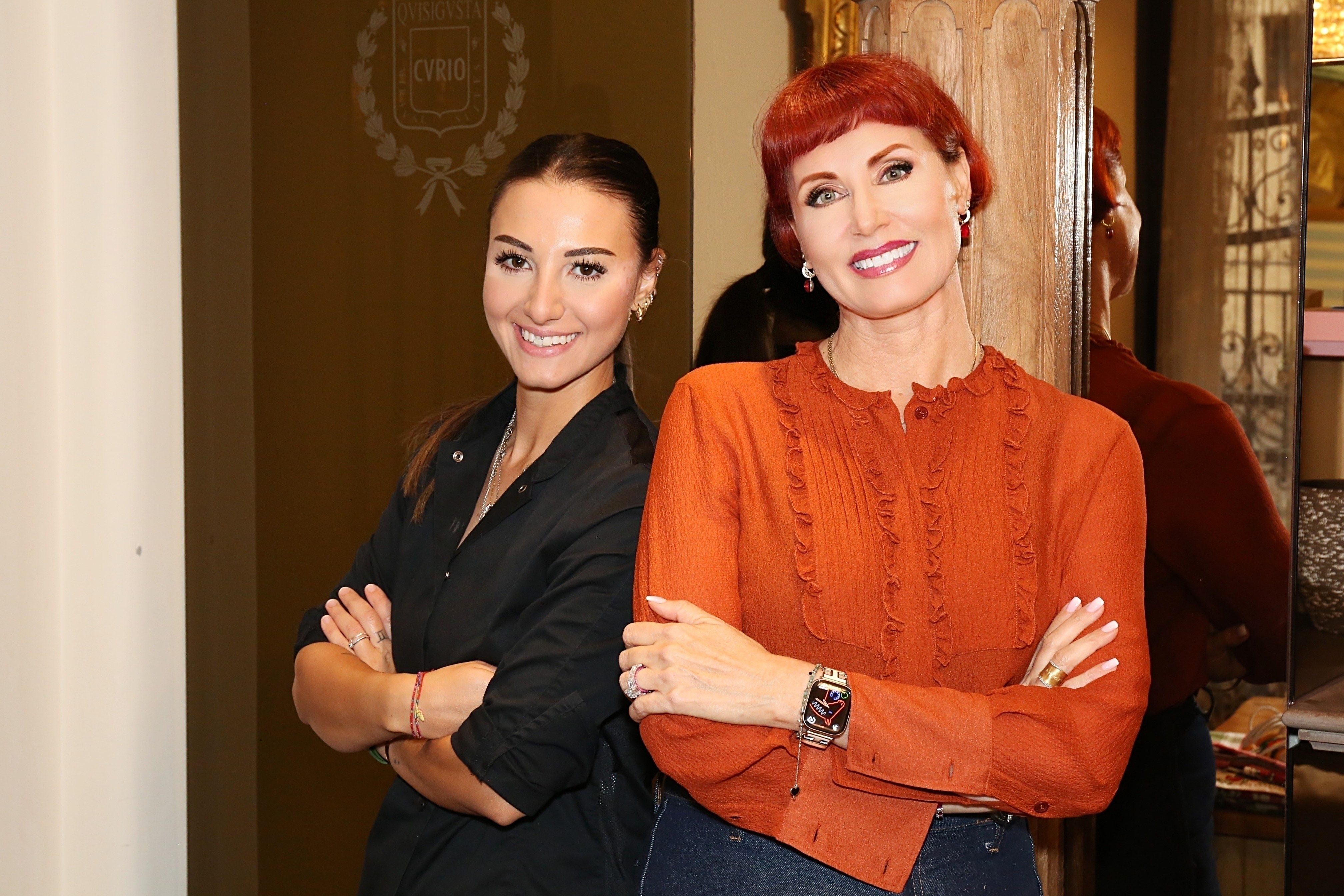
Marianne Giordanegro , Founder Intelligence Gastronomy & Sara Faraldo, chef

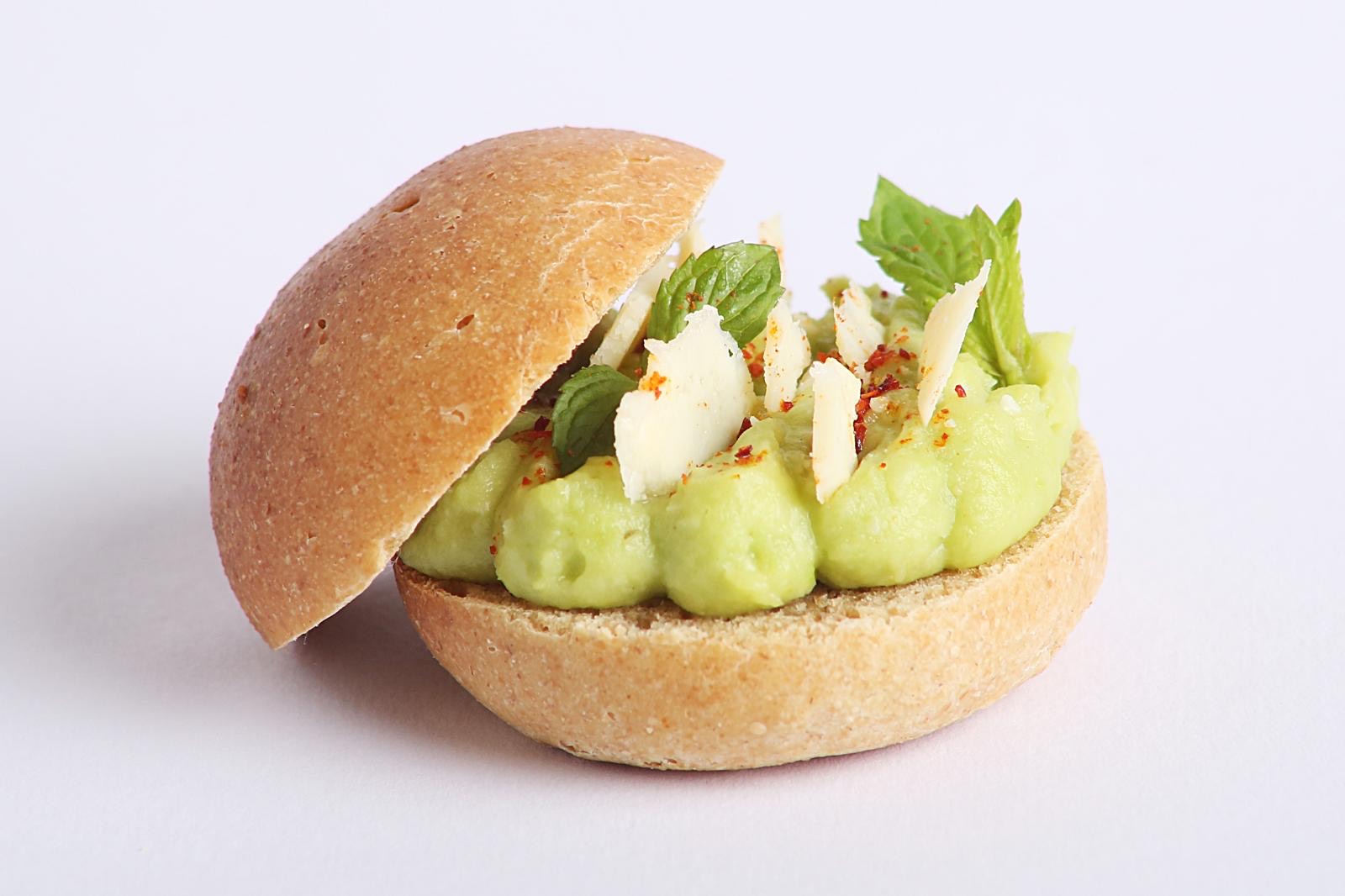
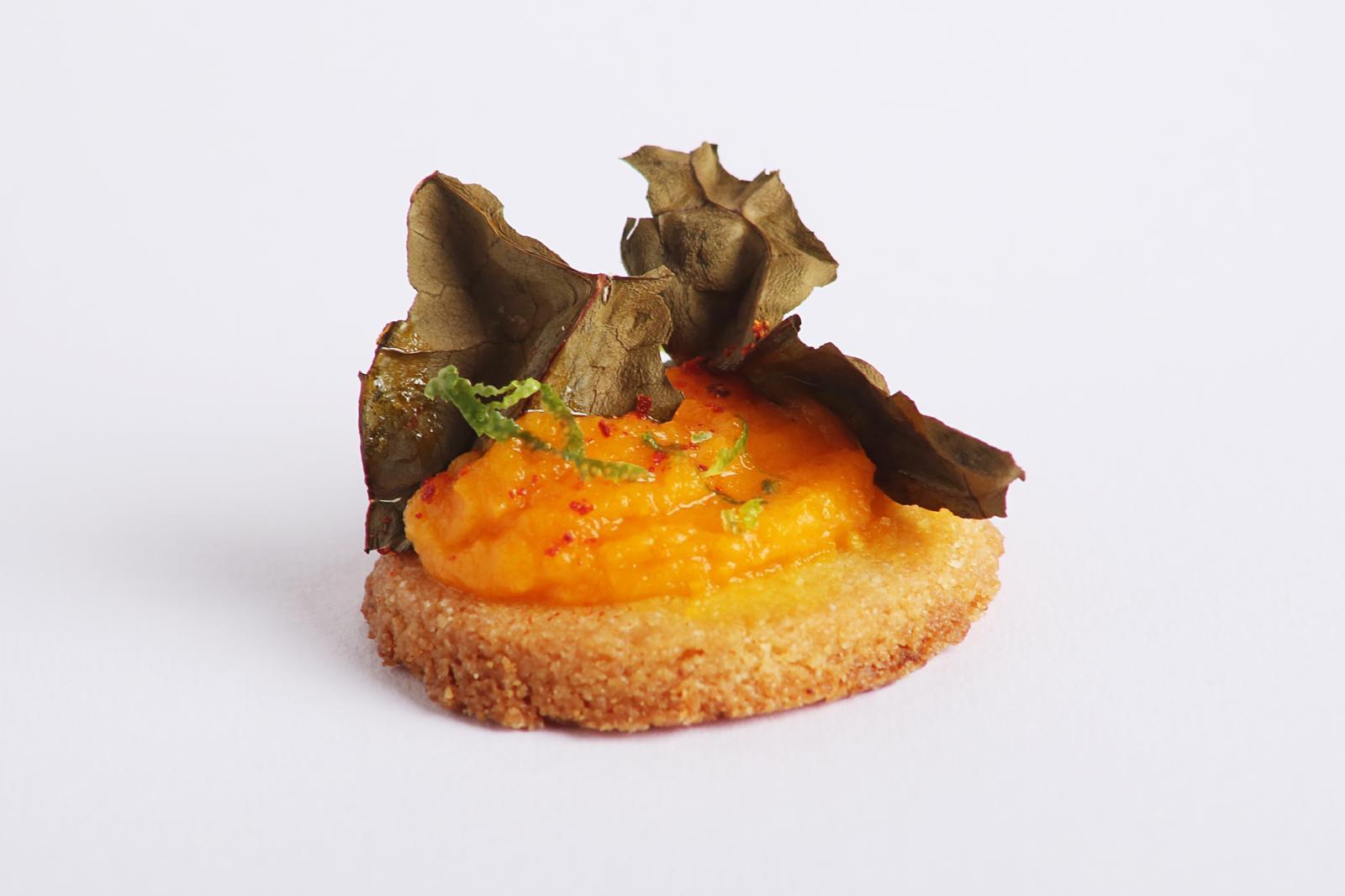
Linda Fornara Bertona
The Taste of Individuality